What Facial Symmetry Looks Like in Practice
Facial symmetry gets mentioned constantly in beauty and entertainment conversations yet rarely gets explained properly. Most articles throw the word around without saying what it…

Powered by InsaneDev
Upload a photo and our Eye Shape Detector identifies your exact eye shape in seconds. It’s free, requires no signup, and your photo is deleted immediately after your result appears.
Disclaimer: I am 16+ and give permission to process my photo one time for analysis. It is not saved and is erased after processing.



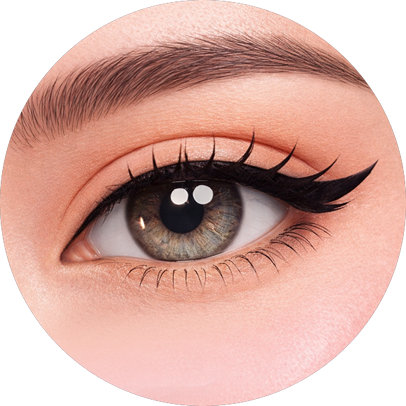
Eye shape refers to the structural traits that define how your eyes look and sit on your face, including eyelid crease depth, the angle of your outer corners, how much lid space is visible, and how your eyes are spaced relative to each other. These traits are set by your underlying bone structure and eyelid anatomy, which is why eye shape stays fairly consistent while things like eye color or lash length can be changed with a quick trip to the mirror.
This is different from eye color, which comes from pigment in the iris, or from features like lash length and brow shape, which sit around the eye rather than defining its core structure. Eye shape specifically describes the architecture underneath all of that.
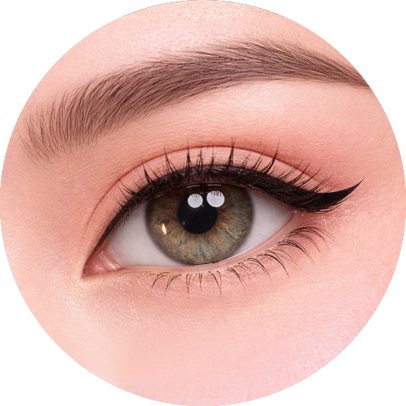
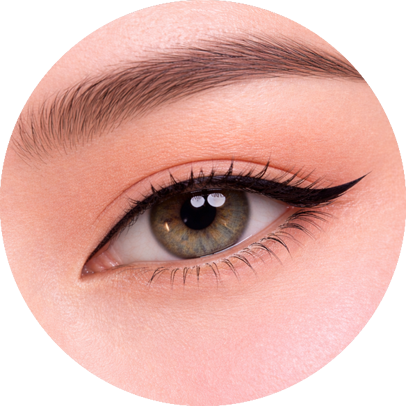
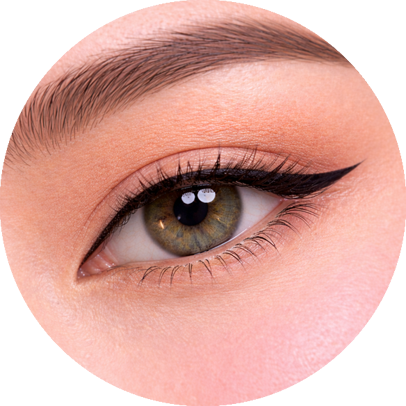
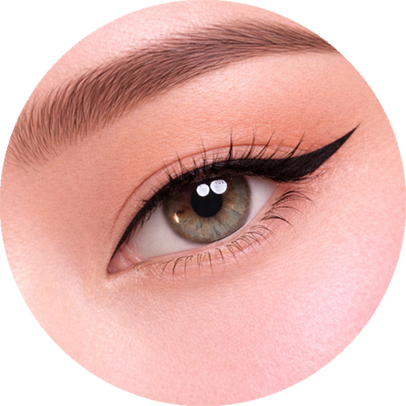
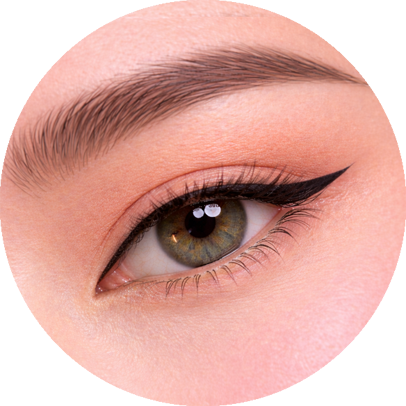
Once you upload a photo, the tool runs through the following steps automatically:
The whole process usually takes 5 to 15 seconds.
There are seven commonly recognized eye shapes, and understanding the defining trait of each one makes it much easier to see which category you fall into.
| Eye Shape | Defining Trait |
|---|---|
| Almond | Slightly pointed corners with balanced, even proportions. |
| Round | Larger, more open appearance with visible white space above and below the iris. |
| Monolid | No visible crease, giving the eyelid a smooth, uninterrupted surface. |
| Hooded | Upper eyelid skin folds over the crease, reducing visible lid space. |
| Upturned | Outer corners lift upward above the inner corners. |
| Downturned | Outer corners tilt downward below the inner corners. |
| Deep Set | Eyes sit further back in the socket, creating more visible brow bone shadow. |
A little more context on each one helps clarify what the table alone can’t fully show. Almond eyes are often treated as a default reference point in beauty content simply because their proportions sit near the middle of most measurements, not because they’re superior to any other shape. Round eyes get their open look from a larger visible iris and more white space above and below, which is also why they tend to photograph as youthful. Monolid eyes are extremely common across parts of East and Southeast Asia and are a structural variation, not a lack of a feature. Hooded eyes exist on a spectrum, some people have mild hooding that only shows up with certain expressions, while others have more pronounced folds visible at rest. Upturned and downturned eyes are defined purely by corner angle, and neither one is more common or more correct than the other. Deep set eyes often get described as more dramatic in photography specifically because the added shadow creates natural depth without extra makeup.
If you want a quick self-check before uploading a photo, try this in a mirror with even lighting:
A mirror check gives you a rough idea, but a photo based detector picks up on angles and proportions more consistently than the eye can judge on its own, especially for combination shapes.
Your core eye structure is set by anatomy, but it isn’t entirely fixed for life. Skin elasticity around the eyes naturally decreases with age, and this can make hooding more pronounced over time, even in people who didn’t notice hooded eyes earlier in life. It’s a gradual shift rather than a sudden change, driven by the same skin elasticity factors that affect facial aging elsewhere.
This is also why running the detector again after a few years can sometimes produce a slightly different primary match than it did before. It isn’t an error in the tool, it reflects a genuine, gradual change in visible lid space rather than a fixed measurement that should never move.
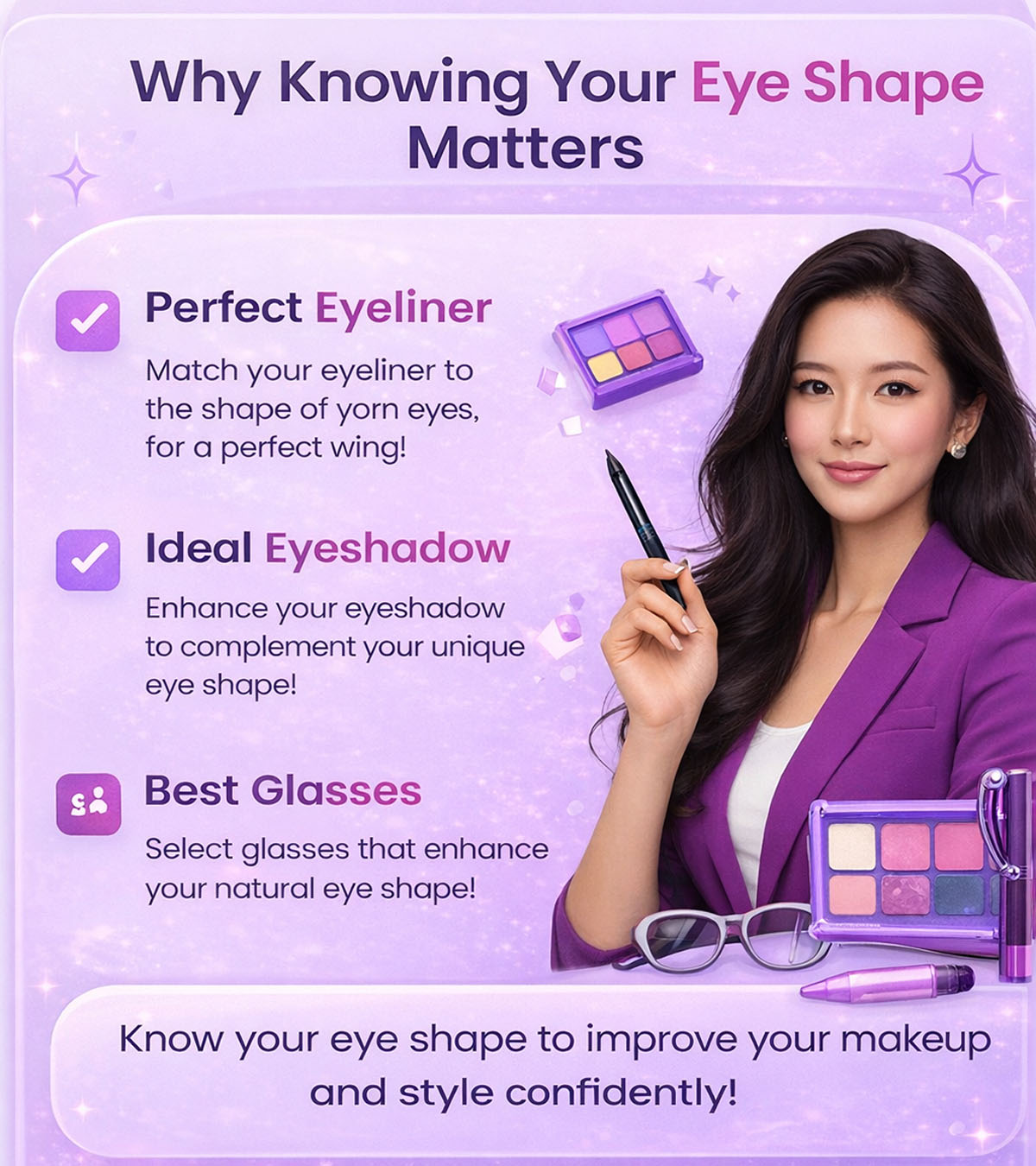
Different shapes respond to different techniques, and knowing your shape turns guesswork into a starting point.
| Eye Shape | Eyeliner Approach | What to Avoid |
|---|---|---|
| Almond | Most styles work well, including a classic wing or tightline. | Overly thick lines that hide the natural eye proportion. |
| Round | An elongated wing extending past the outer corner. | Full-circle liner, which emphasizes roundness. |
| Monolid | A thicker line near the lash line with a tapered wing. | Very thin lines that disappear when the eyes are open. |
| Hooded | A thin line applied with the eyes open to check visibility. | Thick or winged liner that disappears under the fold. |
| Upturned | Soft, minimal liner following the natural lift. | Heavy downward flicks that fight the natural shape. |
| Downturned | An upward flick starting from the center of the lid. | Following the natural downward line, which drags the eye further down. |
| Deep Set | Lighter shades near the lash line to avoid shadowing. | Dark, matte shades all over the lid, which can make the eyes look more sunken. |
Makeup doesn’t change your underlying eye shape. Contouring, shading, and liner placement only shift how proportions visually appear, which is the entire basis of eye makeup technique.
Eyewear sits close to your eyes, so frame shape interacts directly with your natural eye shape.
| Eye Shape | Frames That Tend to Work Well |
|---|---|
| Almond | Most frame shapes, including cat-eye and rectangular styles. |
| Round | Angular or rectangular frames that add contrast. |
| Monolid | Frames with a defined brow line to add visual structure. |
| Hooded | Frames with more vertical lens space to avoid eyebrow contact. |
| Upturned | Rounded or curved frames that balance the natural lift. |
| Downturned | Frames with upswept edges to help lift the overall appearance. |
| Deep Set | Lighter, thinner frames that avoid adding extra shadow. |
A few assumptions about eye shape are worth correcting, since they shape how people talk about their own features:
Very few people fall into one category perfectly. It’s common to have:
When this happens, the detector identifies your closest primary match rather than forcing a single rigid category. This is also why two people who both get labeled “hooded” can still look noticeably different from each other, the primary category captures the dominant trait, not every secondary detail.
Eye shape detection depends on the AI having a clear, unobstructed view of your eyelid, lash line, and corners. A few adjustments noticeably improve accuracy:
Photos taken from an angle or with heavy shadow across one eye tend to produce less reliable results, simply because the model has less clean data about your actual eyelid structure to work with.
Nothing stays behind. Once your result appears on screen, your photo is deleted from our system immediately. There’s no account created, no image storage, and nothing retained afterward. Full details are available in our Privacy Policy.
The Eye Shape Detector is one part of a larger collection of AI-powered facial analysis tools, all using the same
no-account, no-storage approach.
Upload a clear photo and discover which eye shape category fits you best, along with styling insights that complement your natural features.
You can check in a mirror by looking at your crease, corners, and lid space, or upload a photo to an AI-powered Eye Shape Detector for a quick, accurate result.
No. Eye shape is a structural trait, not a beauty hierarchy. Every shape responds well to different techniques once you understand the structure you’re working with.
Subtly, yes. Skin elasticity around the eyes naturally decreases over time, which can make hooding more pronounced or shift how much lid is visible, even in people who didn’t have hooded eyes earlier in life.
Yes, very commonly. Many people have, for example, almond shaped eyes that are also slightly hooded, or upturned eyes with a monolid structure. The detector gives your closest primary match.
Yes. It’s completely free with no signup required, and your photo is deleted immediately after your result appears.
Accuracy depends on photo clarity and lighting, particularly around the eye area. A front facing photo with even lighting and a relaxed, not wide eyed or squinting, expression gives the most reliable result.
No, not the underlying structure. But contouring, shading, and liner placement can visually shift how proportions appear, which is the basis of most eye makeup technique.
Yes, eye shapes can influence eyewear choices. Certain frame styles complement specific eye shapes better than others.
Eyeliner styles vary by eye shape. Almond eyes suit most styles, hooded eyes work best with thin lines, round eyes benefit from elongated wings, and downturned eyes look better with upward flicks.
Monolid eyes have no visible crease at all, giving a smooth eyelid surface. Hooded eyes do have a crease, it’s just covered by a fold of skin, which reduces visible lid space without removing the crease itself.
Written by Ahsan Fayyaz, founder and developer of Stardoppel.
Last updated: July 2026.