

Face Shapes Explained: How to Identify Yours at Home
Understanding face shapes is one of those small things that makes a surprisingly big difference. It shapes which haircut which glasses which makeup style and…
Powered by InsaneDev
If you searched anything like nose shape analyzer, what is my nose shape, or nose type detector to land here, you are in the right spot.
A nose shape detector is a tool built to study the physical structure of your nose rather than give you a vague label based on how you feel it looks. It checks the height and curve of the bridge. It looks at the angle of the tip. It measures how wide the nostrils sit relative to the rest of your face.
Put those measurements together and a pattern shows up, one that matches known nose shape categories that stylists, makeup artists and photographers have used for years. The difference here is that a person usually eyeballs this. Our tool calculates it.
This matters because self assessment is rarely accurate. Ask someone with a slightly curved bridge whether their nose is straight or has a bump and you will get answers all over the map depending on lighting, angle and mood that day.
Upload a clear photo and the model gets to work mapping key points across your nose. Nothing about this is guesswork on our end either, since the whole process runs on landmark detection trained specifically for facial structure.


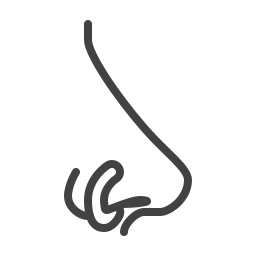

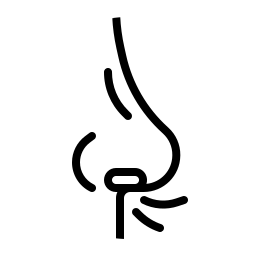
These five data points combined are what separate one nose shape from another. A tool that only checks one or two of these, say just width, is going to misclassify a lot of noses. Ours checks all five before deciding anything.
Keep in mind that most real noses blend traits from more than one category, so if your result feels like a mix, that is completely normal rather than an error in the scan.



Getting a result takes less time than reading this paragraph.
For the most reliable read, a few things help. Even lighting matters more than people expect since shadows along the bridge can throw off how curved or straight it looks. A front facing angle beats a side profile for consistency, though the tool does account for some natural variation in head position. Try to keep hair away from your nose bridge if it tends to fall across your face.
Nose shape comes down to a handful of structural features. The height and curve of the bridge. The angle and projection of the tip. The width of the nostrils. And how all of these relate to the rest of your facial proportions.
Unlike features that shift with expression, like your eyebrows or the corners of your mouth, a nose’s basic structure is set by cartilage and bone formed during growth. That is exactly why these categories, while informal, tend to stay fairly consistent and recognizable once identified.
Worth saying clearly, these shape categories are descriptive shorthand used in styling, photography and everyday conversation, not rigid medical classifications carved in stone somewhere. If proportion is what interests you most, our face symmetry test and golden ratio face tool look at those same measurements from a wider angle, covering the whole face rather than just the nose.
Want the full breakdown, including how genetics and ancestry shape these categories? Read our complete nose type guide.
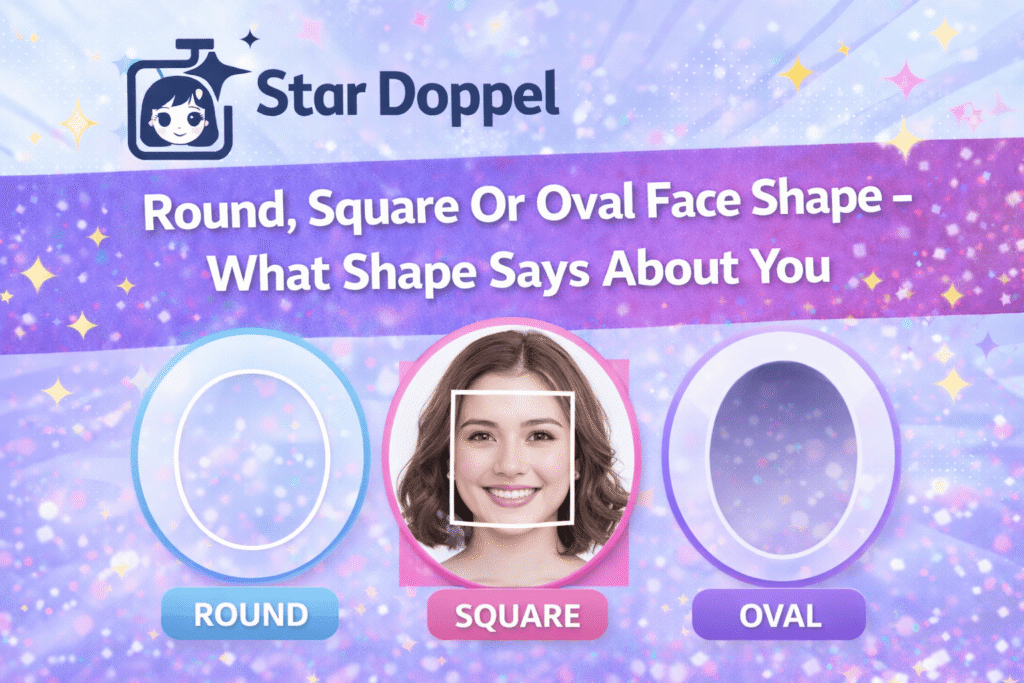
These two get mixed up constantly, but they are independent traits. Face Shape describes your overall head outline, oval, round, square and so on. Nose shape is specific to just the nose itself.
Someone with a round face can absolutely have a straight nose, a hawk nose, or any other type. There is no rule linking the two together, even though a lot of people assume there must be. If you have not checked your face shape yet, our Face Shape Detector takes the same quick photo based approach.
Once you know your nose shape, a few practical things become easier.
Contouring gets more precise. Darker shading along the sides of the bridge creates the appearance of a narrower nose, while a light highlight down the center adds a sense of length or projection. The right technique really does depend on your starting shape, since a flat nose and a hawk nose call for almost opposite approaches. Pairing this with your lip shape result can round out a full makeup routine rather than just focusing on one feature.
Glasses fit differently too. Bridge height and width affect how frames sit on your face. Adjustable or higher nose pads tend to work better for lower bridge shapes, while frames with more built in bridge support usually suit higher bridge shapes more comfortably.
However much appearance matters to someone, breathing function is the more important consideration by far. Persistent congestion, frequent nosebleeds or breathing difficulty are health questions, not cosmetic ones, and they are rarely tied to the shape categories described here. Those issues more often connect to something specific like a deviated septum, which only a doctor can properly diagnose. Nose shape and nose function are separate things, and any concern about the latter belongs with a medical professional rather than a styling tool like this one.
Your photo gets used only to generate your nose shape result. It is not stored afterward and is not shared anywhere. If you want the full breakdown of how data gets handled, our privacy policy covers it in detail. The same privacy approach applies across every tool on the site, including the face age test and eye shapes test.
The fastest way is to use an AI powered nose shape analyzer. Upload a clear photo and the tool identifies your nose type within seconds, giving you an accurate and easy to understand result.
Commonly referenced types include straight (Greek), Roman (aquiline), button, upturned (snub), hawk (hook), Nubian and flat, though most real noses blend traits from more than one category.
Minor changes can happen with aging since cartilage can soften slightly, or after an injury, but the core structure set during growth generally stays consistent through adulthood.
Yes. Nose shape varies meaningfully by ancestry due to genetics and historical adaptation to climate, since nose structure affects how air gets humidified and warmed before reaching the lungs. This reflects healthy human variation, not a hierarchy of any kind.
Yes, StarDoppel’s nose shape detector is completely free, requires no account, and delivers a result within seconds of uploading a photo.
Accuracy depends heavily on photo angle and lighting. A front facing photo with even lighting and no shadows along the bridge gives the most reliable classification.
This tool is meant for casual, informational and entertainment purposes. Anyone considering rhinoplasty or a similar procedure should consult a board certified surgeon who can assess facial structure and function directly rather than relying on a photo analysis tool.
Some nose types are more prevalent in particular ethnic groups due to genetics and facial structure. Nubian noses are common among African ethnicities, while Greek noses appear frequently in Mediterranean populations.
Yes, the nose shape analyzer works for everyone regardless of age or gender, and adapts to different facial features to provide a personalized result based on your uploaded photo.
Once uploaded, the scanner maps your bridge, tip and nostril structure and returns your closest matching category along with a short explanation of what defines it.
Written by Ahsan Fayyaz, founder and developer of Stardoppel.
Last updated: October 2026.