Understanding face shapes is one of those small things that makes a surprisingly big difference. It shapes which haircut which glasses which makeup style and even which beard suits you best. More importantly it explains why certain looks work effortlessly on some people while the exact same style falls flat on someone else. Every face is unique but most people fit reasonably well into a handful of common patterns which makes styling decisions far less like guesswork.
(For a more precise, AI-measured result, try our Face Shape Detector.)
Why Face Shape Actually Matters
Trends are popular but they do not suit everyone in the same way. Knowing your face shape changes how haircuts makeup and accessories actually look on you rather than leaving it to chance. Once you understand your natural structure you stop copying a random style you saw online and start choosing something built for your proportions specifically. That shift alone tends to make a bigger visible difference than any single product or technique ever could.
The Five Main Face Shapes
Oval Face Shape
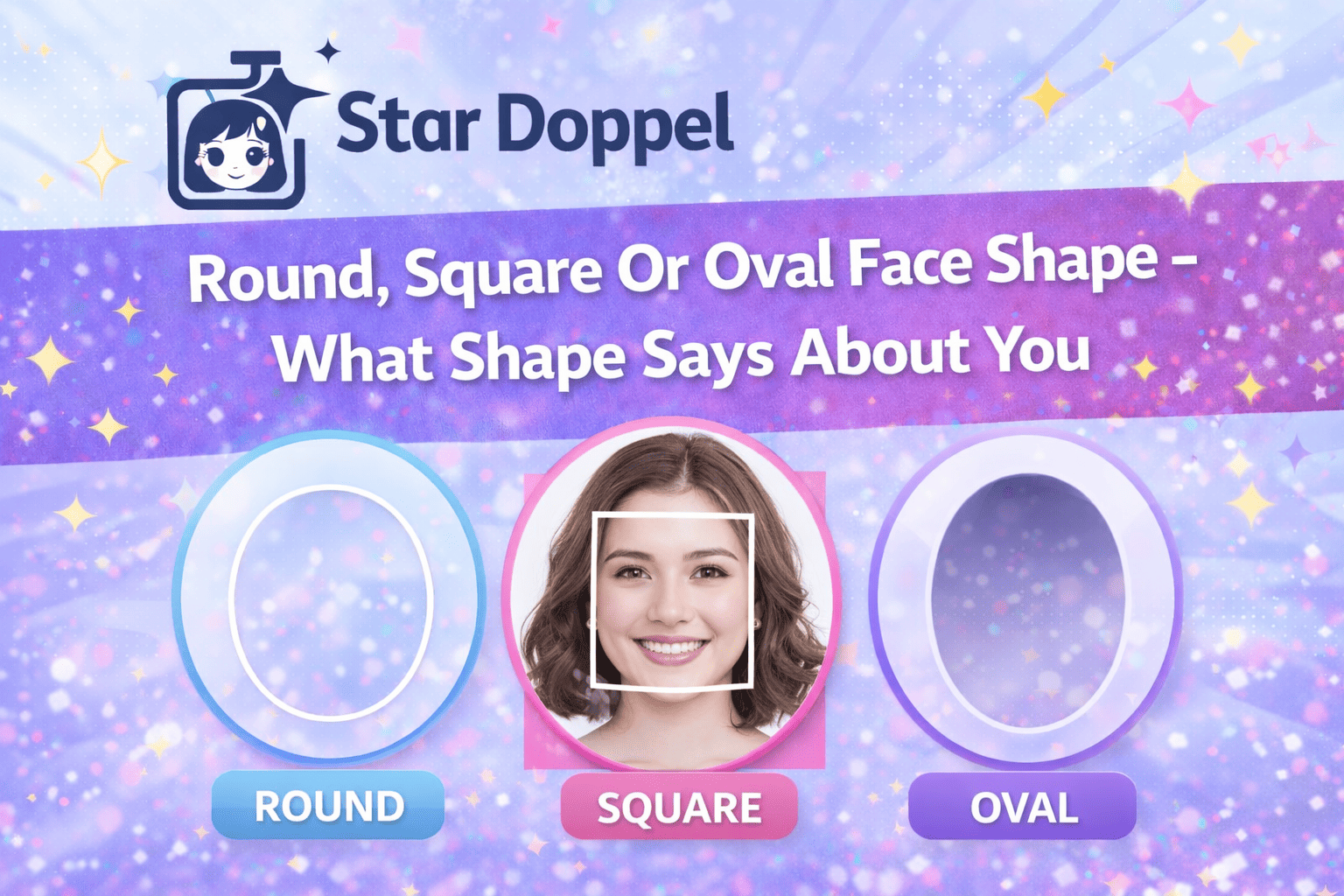
The oval face shape is often described as the most balanced of all the categories. The face sits slightly longer than it is wide with soft curves and no sharp corners. A forehead that is a touch wider than the chin combined with a smooth gently rounded jawline usually points to this shape. Because the proportions are already balanced people with an oval face shape can typically pull off a wide range of hairstyles and glasses styles without much restriction.
Round Face Shape
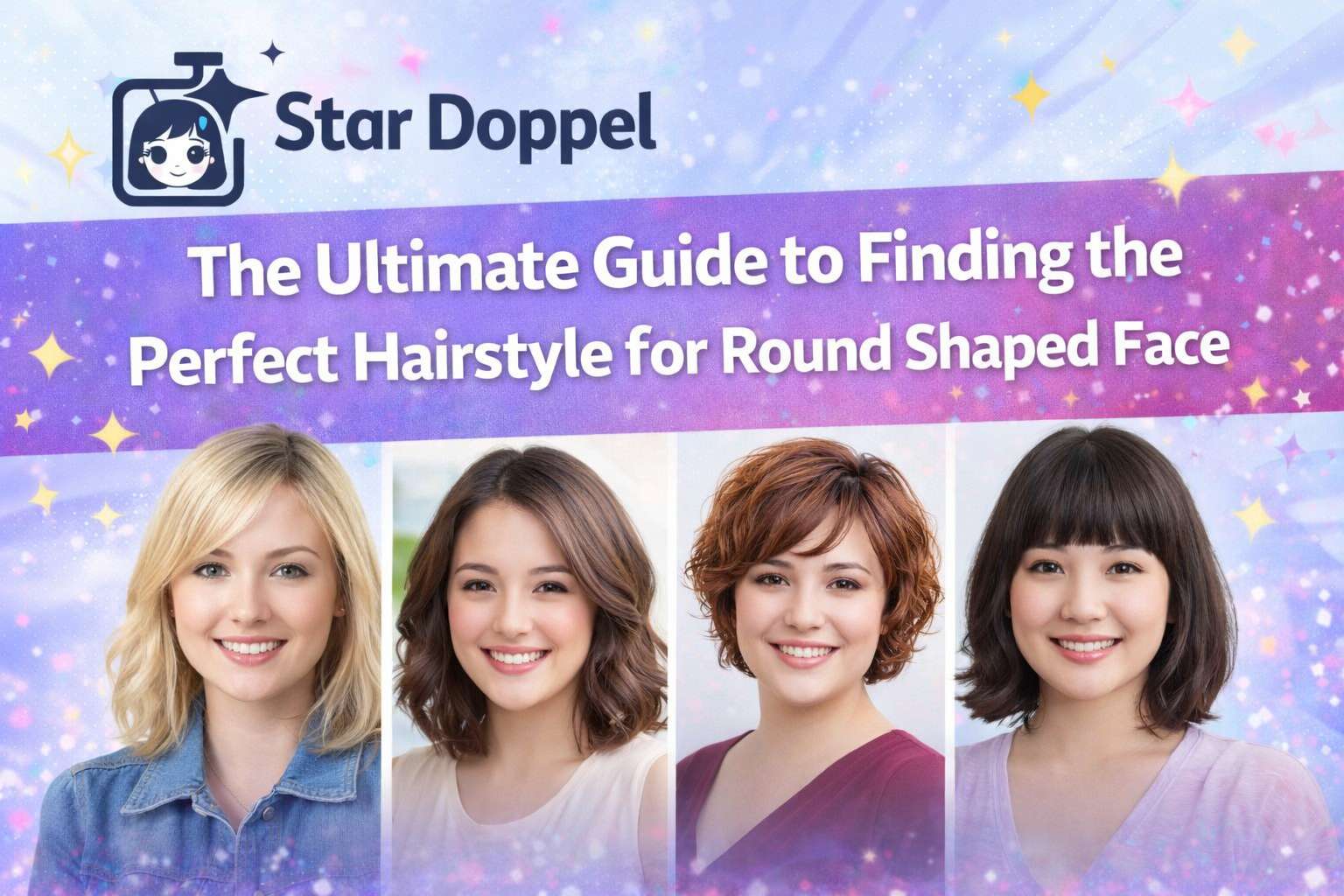
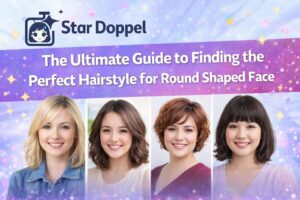
A round face shape has soft curves full cheeks and nearly equal width and height with no sharp angles anywhere along the outline. This gives the shape a youthful and friendly appearance. The cheeks are usually the widest point rather than the jaw or forehead. Layered haircuts and styles that add height or length tend to work particularly well here since they help elongate the overall look.
Square Face Shape
A square face shape is bold and structured with the forehead cheekbones and jawline sitting at roughly similar widths. The jaw itself tends to be strong and clearly defined which gives the whole face a powerful angular outline. Styles that soften or balance the jawline often complement this shape especially well.
Diamond Face Shape
The diamond shape is built around contrast. High cheekbones a narrow forehead and a pointed chin combine to make this one of the more striking and less common face shapes. If the cheekbones are clearly the widest point of the face this is usually the category that fits best. Because the shape is distinctive many people find it a bit trickier to identify on their own compared to more common shapes.
Rectangle Face Shape
The rectangle face shape is longer than it is wide with a strong jaw and relatively straight sides running down the face. It is sometimes confused with the oblong shape though rectangle faces tend to carry sharper angles while oblong faces read as softer overall. Hairstyles that add width along the sides tend to bring helpful visual balance to this shape.
Face Shape Comparison Table
| Face Shape | Key Trait | Common Styling Focus |
|---|---|---|
| Oval | Balanced length and width, soft curves | Highly flexible, most styles work well |
| Round | Full cheeks, equal width and height | Layers and length to elongate the face |
| Square | Strong jaw, similar width at forehead and jaw | Softer styles to balance sharp angles |
| Diamond | High cheekbones, narrow forehead and chin | Styles that add width near the forehead and jaw |
| Rectangle | Longer than wide, straighter sides | Width added at the sides for balance |
Most people show a blend of traits rather than fitting one category perfectly. These categories work best as a general guide rather than a strict box to squeeze into.
How to Identify Your Own Face Shape
A few simple observations in natural light are usually enough to get a reasonable sense of your shape.
- Compare the width of your forehead cheekbones and jawline to see which is widest.
- Check whether your face reads as noticeably longer than it is wide or roughly equal in both directions.
- Look at your jawline specifically to see if it curves smoothly or forms a sharper angle.
- Notice where your cheekbones sit relative to the rest of your face, since a high prominent cheekbone often signals a diamond shape.
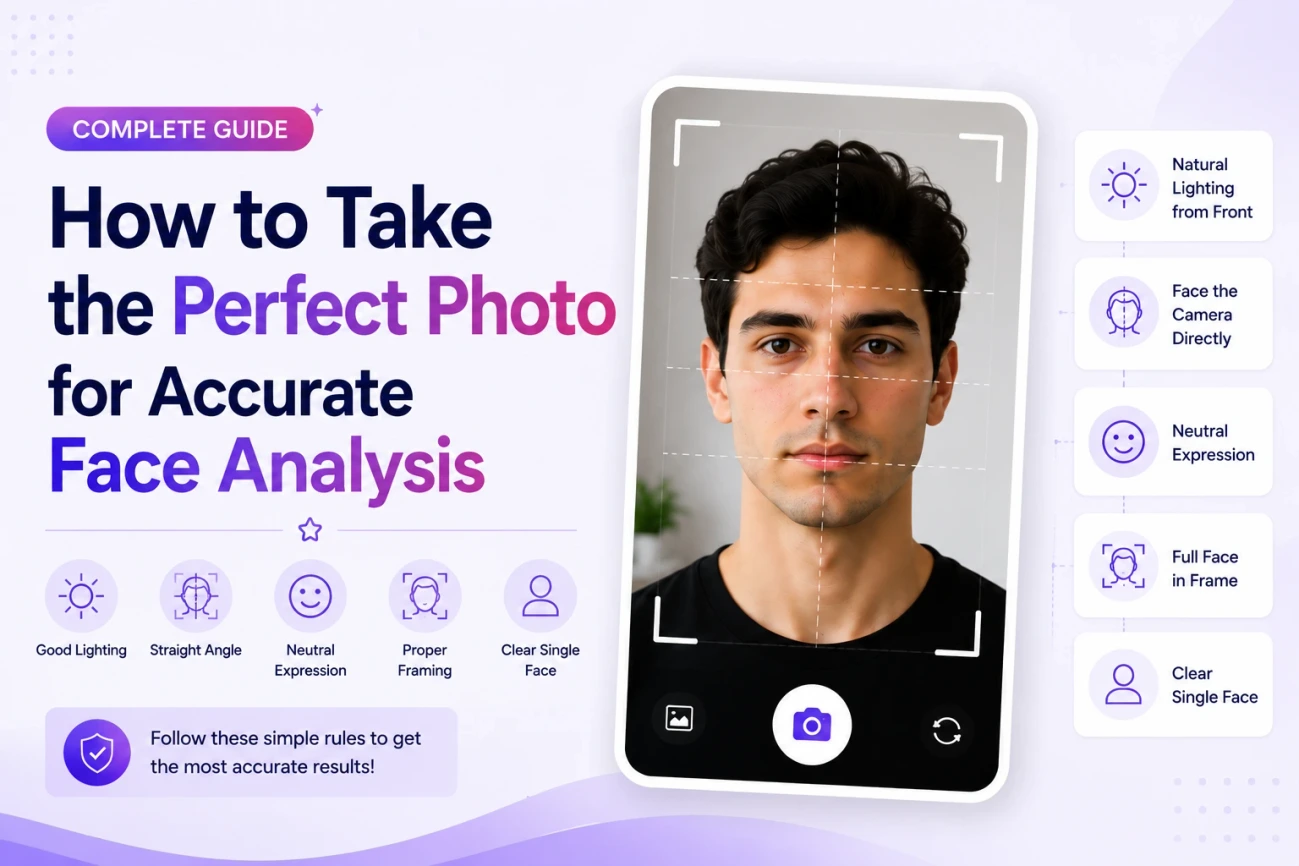
Self assessment in a mirror can be tricky since posture lighting and even a slight head tilt can shift how proportions appear. A measurement based tool that reads an actual straight on photo tends to give a more consistent result than eyeballing it in a reflection.
Styling by Face Shape
- Oval. Most hairstyles and glasses shapes work well here since the base proportions are already balanced.
- Round. Height and layering help introduce length and structure that the natural curve of this shape does not provide on its own.
- Square. Softer rounded styles in both hair and glasses help ease the strong angularity of the jaw.
- Diamond. Styles that add visual width near the forehead and jaw help balance out prominent cheekbones.
- Rectangle. Width added at the sides through layers or fuller frames helps offset the length of the face.
Why Face Shape Feels So Personal
A lot of the confidence that comes from understanding your face shape has nothing to do with chasing a specific look and everything to do with removing guesswork. Instead of wondering why a trending haircut did not translate the way it did online you get a structural reason, and that reason usually points to a difference in proportion rather than anything being done wrong. Face shape is simply one input among several including hair texture personal style and even the specific glasses frame shape being considered.
How AI Actually Detects Face Shape
A face shape tool works by mapping landmark points across the outline of the face including the width of the forehead the position of the cheekbones the angle of the jaw and the overall length from hairline to chin. From those points the system calculates a set of proportions such as the ratio between face length and face width and the relative width of the forehead compared to the jaw.
Those measurements get compared against the defining traits of each recognized face shape category to determine the closest match. This is part of why a clear front facing photo with hair pulled back from the forehead tends to give a more reliable reading than a photo taken at an angle or with hair covering the hairline and jaw.
Common Misconceptions About Face Shape
Myth: Everyone Fits Neatly Into One Category
Most people show a blend of traits from more than one category rather than matching a single shape perfectly. Treating these categories as flexible guides rather than strict boxes gives a far more realistic picture of most real faces.
Myth: Face Shape Determines Attractiveness
Face shape is a structural trait rather than a ranking system. Every shape has styling choices that complement it well and no single shape is inherently more or less appealing than another.
Myth: You Can Only Judge Face Shape From the Front
While a front facing photo is the standard reference point jaw projection and cheekbone height from a side angle can also meaningfully inform which category best describes a given face, which is why some tools also factor in a slight profile view when available.
Combining Face Shape With Other Facial Analysis
Face shape becomes even more useful when looked at alongside other structural details from the same photo. Pairing a face shape result with eye shape skin tone and estimated age gives a much fuller picture of overall appearance rather than treating any one trait in isolation. Many people also enjoy exploring a celebrity look alike match once they understand their own face shape a bit better, purely as a fun additional layer on top of the styling guidance.
Frequently Asked Questions
What are the main types of face shapes?
The most commonly recognized categories are oval round square diamond and rectangle, though many people naturally show a mix of traits across these categories rather than fitting one perfectly.
How can I find out my own face shape?
Compare the relative width of your forehead cheekbones and jawline in natural light or use an AI based face shape tool for a measurement based result from a clear front facing photo.
Is one face shape better than another for styling?
No. Every face shape has hairstyles glasses and grooming choices that complement it well. The goal is finding what fits your specific proportions rather than any one shape being objectively better.
Can my face shape change over time?
The underlying bone structure stays fairly stable after growth finishes though changes in weight muscle tone and skin elasticity can shift how a face shape reads visually over the years.
What is the difference between an oval and a round face shape?
Oval faces are noticeably longer than they are wide with a slightly narrower jaw than forehead, while round faces show roughly equal width and height with full cheeks as the widest point.
Do men and women have different face shape categories?
No. The same categories including oval round square diamond and rectangle apply across all genders since face shape is a structural trait rather than one tied to gender.